
Food and Wine Traditions Across the Country
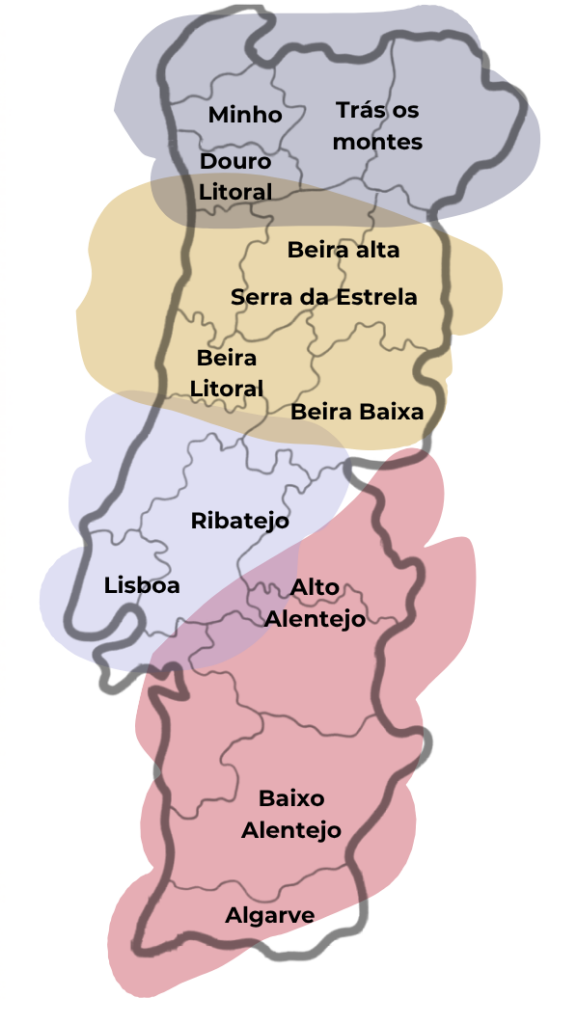
Portugal’s culinary traditions are well connected to its geography. From the Atlantic coastline to mountainous inland valleys and agricultural plains, each region of the country has developed its own distinctive food culture shaped by climate, local ingredients, and centuries of tradition. This results in a diverse culinary landscape where regional dishes, wines, and other beverages reflect the character of the regions themselves.
Along Portugal’s coastline, seafood plays a central role in daily life. Inland, agriculture and livestock farming influence a cuisine built around meats, bread, olive oil, and slow-cooked dishes. Across the country, these traditions are complemented by a vibrant wine culture built on hundreds of indigenous grape varieties and some of Europe’s oldest wine-producing regions.
Did You Know?
Portugal has over 250 indigenous grape varieties, more than most wine-producing countries. These native grapes contribute to the country’s diverse and distinctive wine styles.
Northern Portugal
Northern Portugal is home to some of the country’s oldest culinary traditions and most historic wine regions. The landscape is defined by river valleys, fertile farmland, and mountainous terrain, creating an environment where agriculture, livestock farming, and winemaking have flourished for centuries. The cuisine here is often hearty and rustic, reflecting the cooler climate and rural traditions of the region.
Minho
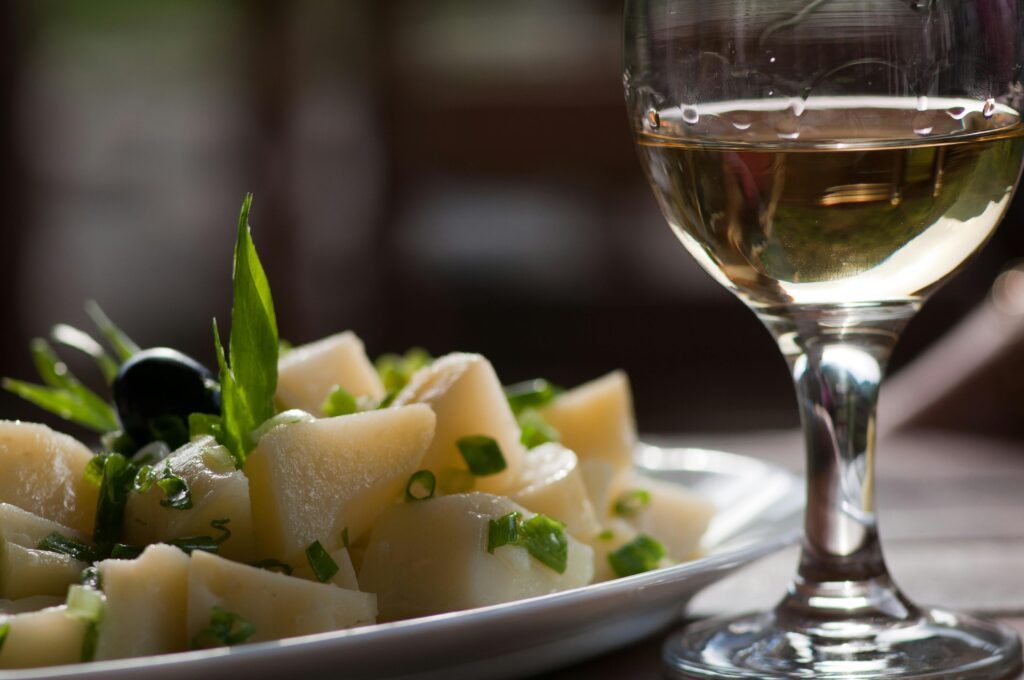
Located in the far northwest near the Spanish border, Minho is one of Portugal’s greenest regions, shaped by abundant rainfall and Atlantic influence. The fertile landscape supports small farms, vineyards, and fishing communities.
Food in Minho tends to emphasize freshness and simplicity. Seafood rice dishes, roasted octopus prepared with olive oil and garlic, and traditional pork dishes are common throughout the region.
Minho is also the birthplace of Vinho Verde, Portugal’s well-known light and refreshing wine. Produced in a cool coastal climate, these wines are crisp and aromatic, making them a natural pairing for seafood and lighter regional dishes.
Douro Valley
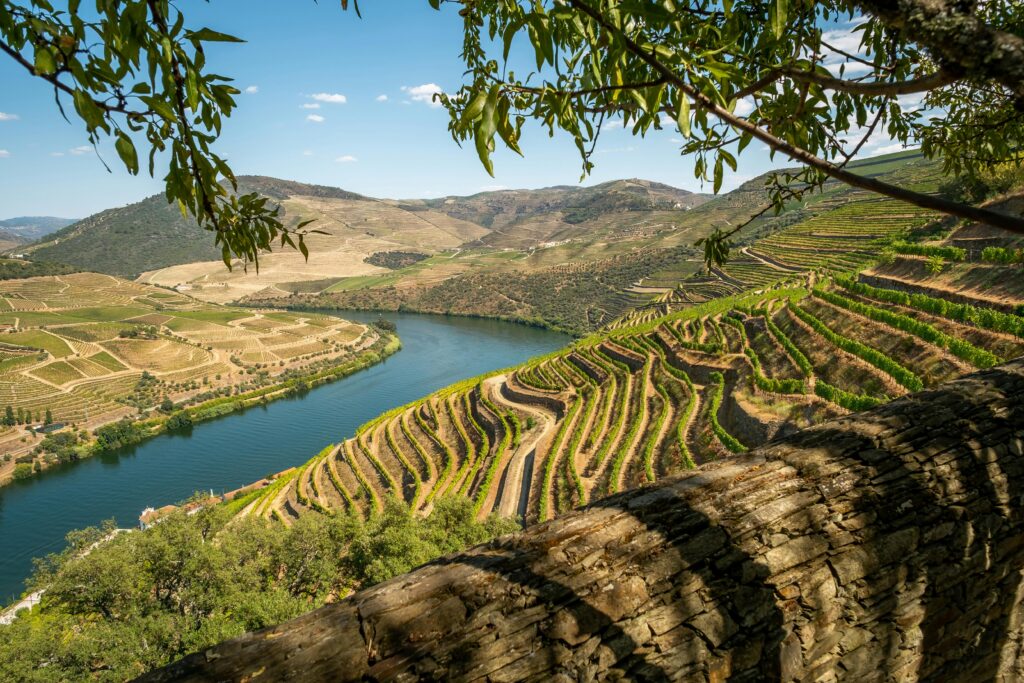
To the south and further inland, the Douro Valley is one of the most famous wine landscapes in the world. Terraced vineyards climb steep hillsides along the Douro River, forming a UNESCO World Heritage landscape and one of the oldest wine regions in Europe.
The region is best known internationally for Port wine, the fortified wine historically exported from the nearby city of Porto. Cuisine in the Douro Valley is robust and traditional, often featuring grilled meats, roasted goat, and hearty stews designed to pair with the region’s powerful wines.
Central Portugal
Central Portugal blends coastal fishing traditions with inland agricultural communities and mountainous landscapes. The region contains several distinct culinary areas, again each being shaped by its local environment and agricultural heritage.
Bairrada
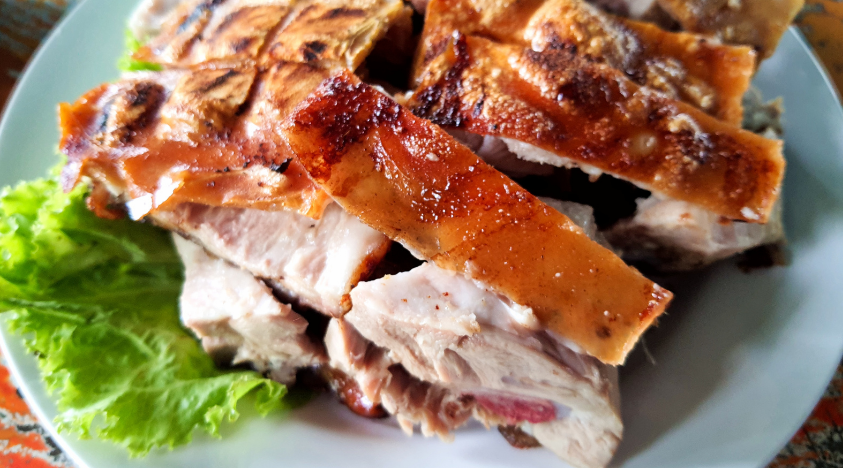
Located between the Atlantic coast and inland hills, Bairrada is known throughout Portugal for its most celebrated dish: leitão da Bairrada, roasted suckling pig with crisp skin and tender meat.
Bairrada is particularly known for wines made from the Baga grape, producing red wines as well as high-quality sparkling wines that have become increasingly recognized internationally.
Serra da Estrela
Portugal’s highest mountain range, Serra da Estrela, introduces a different culinary environment, shaped by altitude and cooler temperatures. Sheep farming has long been central to the region’s agricultural life.
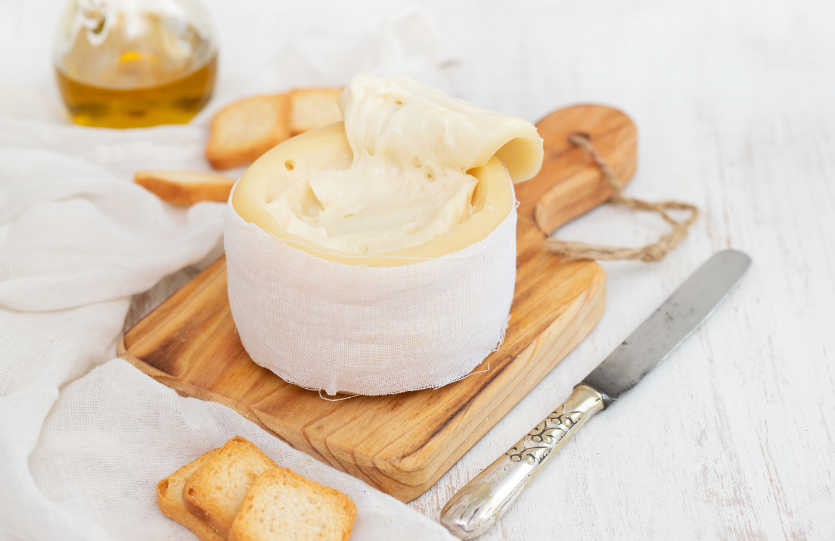
One of the region’s most famous products is Serra da Estrela cheese, a soft and creamy sheep’s milk cheese that has become one of Portugal’s most iconic culinary exports. Lamb dishes and rustic mountain cooking are also common throughout the area.
Lisbon and the Atlantic Coast
Portugal’s capital region combines urban culinary culture with strong coastal traditions. Lisbon sits along the Tagus River near the Atlantic Ocean, and seafood remains one of the defining elements of the region’s cuisine.
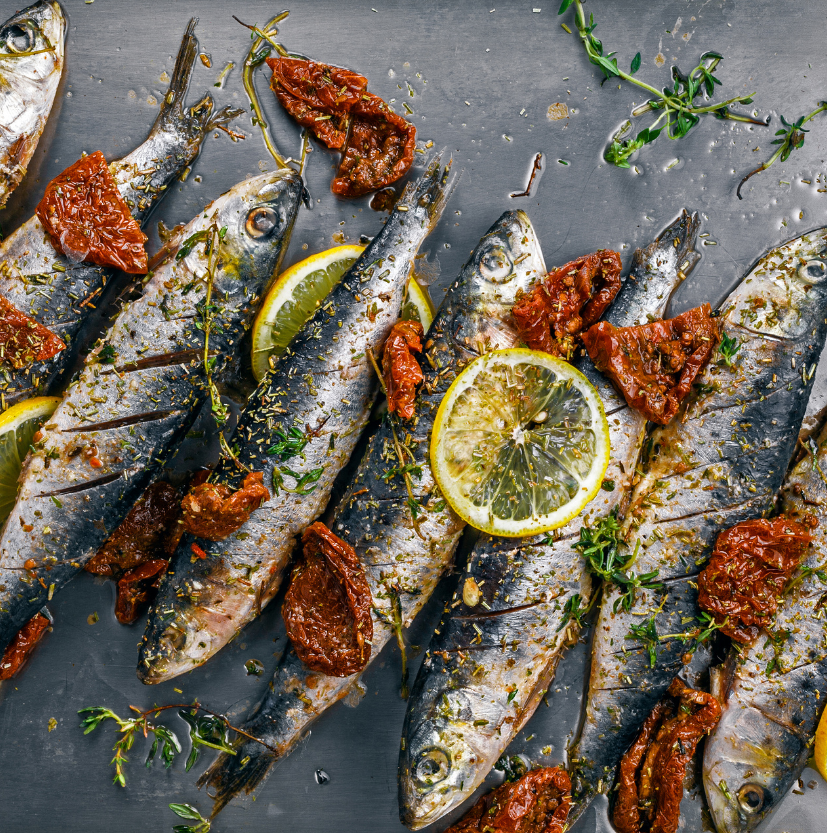
Grilled sardines are a classic Lisbon dish, especially popular during the city’s summer festivals, while bacalhau, or salted cod, appears in countless traditional recipes. Lisbon is also home to pastéis de nata, the custard tart that originated in the city and has since become one of Portugal’s most recognizable desserts.
Beyond the city itself, the surrounding coastal region contains several historic wine areas. Colares, where vineyards grow in sandy soils near the Atlantic Ocean, produces distinctive wines unlike anywhere else in the country. Nearby Bucelas is known for crisp white wines made from the Arinto grape.
Southern Portugal
Southern Portugal is defined by a warm, dry climate, open plains, and a long Atlantic coastline. The food reflects this landscape, combining inland dishes based on bread, olive oil, and herbs with coastal traditions centered on fish and seafood. The region also includes Alentejo, where wine production plays an important role in the local economy and culture.
Alentejo
South of the Tagus River lies the vast region of Alentejo, characterized by rolling plains, cork forests, olive groves, and vineyards.
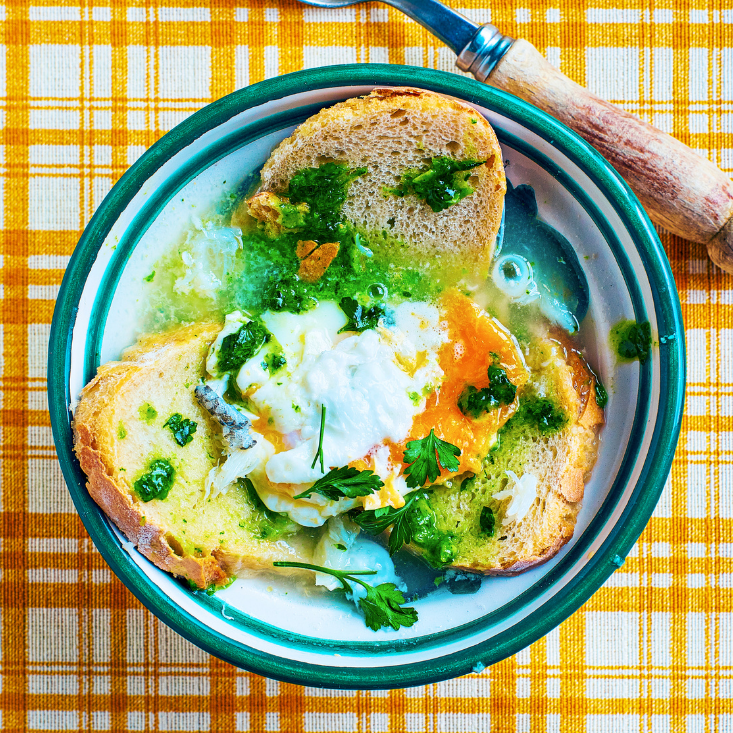
Bread, olive oil, garlic, and herbs are central to many Alentejo dishes. Traditional specialties such as açorda Alentejana, a rustic bread soup flavored with garlic and olive oil, and migas, a bread-based dish often served with pork, reflect the region’s agricultural heritage.
Alentejo is also one of Portugal’s most important wine regions. The area produces bold, ripe, and fruity red wines that have gained international recognition, while olive oil from the region is widely considered among the best in the country.
Algarve
Portugal’s southernmost region, the Algarve, is defined by its Atlantic coastline, fishing villages, and Mediterranean climate. Seafood forms the foundation of local cuisine, often prepared simply to highlight the freshness of the ingredients.
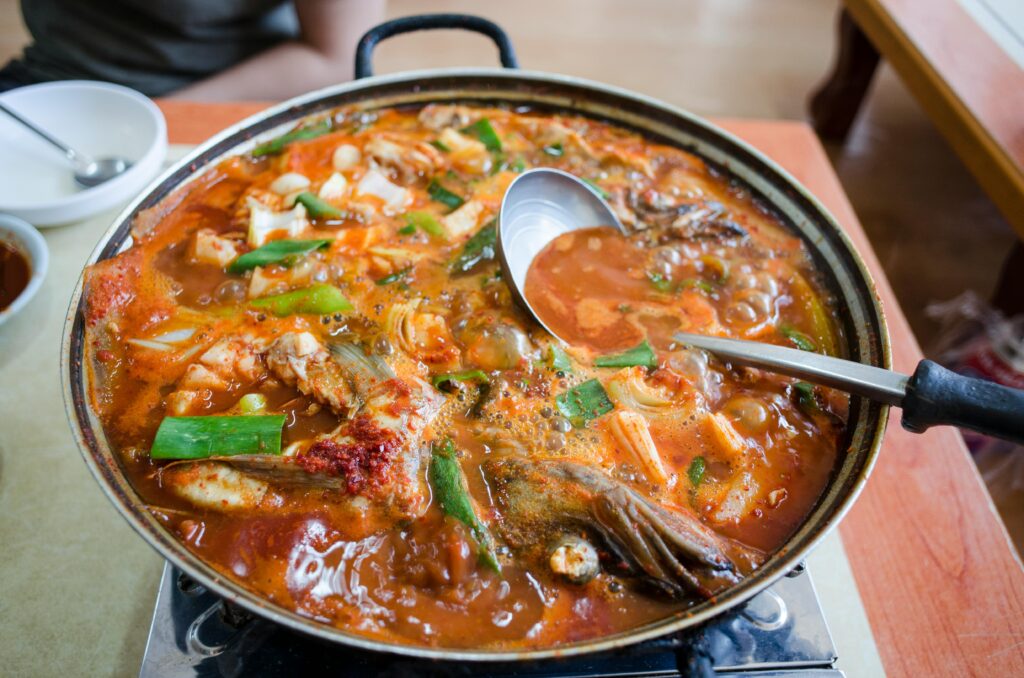
One of the region’s most well-known dishes is cataplana de marisco, a seafood stew cooked in a traditional copper pot that gives the dish its name. Grilled fish, clams, and other shellfish are also common throughout the coastal towns and fishing communities of the region.
The Algarve is equally known for its desserts, many of which feature almonds, figs, and citrus grown locally. Traditional spirits such as medronho, a strong fruit brandy produced from the medronho berry, are often served after meals in the inland mountain villages.
Which region are you most excited to explore?
Across Portugal, food, wine, and geography remain closely connected. Coastal regions highlight seafood and Atlantic flavors, while inland areas emphasize meats, bread, and slow-cooked dishes rooted in agricultural traditions. At the same time, Portugal’s wine culture, which is built on hundreds of indigenous grape varieties, continues to define many regional culinary identities.
Together, these regional traditions form a rich and varied culinary landscape, offering a deeper understanding of Portugal’s culture, history, and connection to the land.
A €500,000 investment in the Optimize Portugal Golden Opportunities Fund will open the door to Portugal’s Golden Visa, giving you the flexibility to live in and explore these culinary regions at your own pace. To get started on your Golden Visa journey, contact us by email or give us a call.